“Nationwide, just 2.4% of properties are covered by 4.5 million federal flood insurance policies, an Associated Press analysis shows — but 8.4% are at severe or extreme risk of flooding. The gap illustrates the foundational flaws in a program that fails to balance affordability, flood protection and cost to taxpayers. It’s getting worse. The count of policies is down roughly 500,000 in five years. Price increases are a big factor. This downward trend collides with the rising risk of flooding across many areas of the United States, driven by climate change that can strengthen hurricanes and worsen downpours far from the coasts. The problem is especially bad in eastern Kentucky, where in some ZIP codes, no more than 5% of…”
The whole passage · 160 words
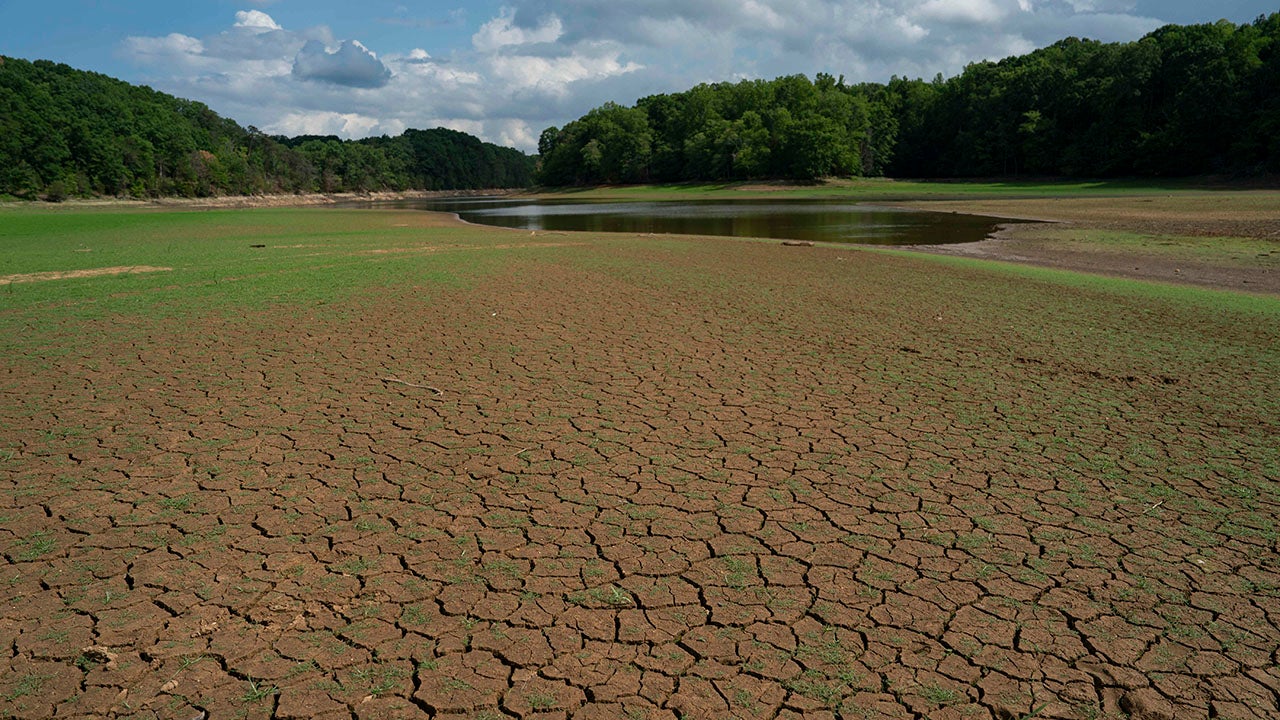
“Nationwide, just 2.4% of properties are covered by 4.5 million federal flood insurance policies, an Associated Press analysis shows — but 8.4% are at severe or extreme risk of flooding. The gap illustrates the foundational flaws in a program that fails to balance affordability, flood protection and cost to taxpayers. It’s getting worse. The count of policies is down roughly 500,000 in five years. Price increases are a big factor. This downward trend collides with the rising risk of flooding across many areas of the United States, driven by climate change that can strengthen hurricanes and worsen downpours far from the coasts. The problem is especially bad in eastern Kentucky, where in some ZIP codes, no more than 5% of properties are covered by flood insurance, even though hundreds or thousands of buildings are at extreme risk of flooding, according to figures from the federal government and data provided exclusively to the AP by the risk analysis group First Street.”
The AP’s numbers in one line: 8.4% of properties at severe or extreme flood risk, 2.4% covered by the federal program, and about 500,000 fewer policies than five years ago. Rising risk, falling coverage. In my field that’s the definition of a protection gap, and this one is widening from both ends at once.
“FEMA’s flood maps didn’t catch all that risk during the 2022 flood, with only 18% of the buildings struck falling within a high-risk zone.”
Millions who need flood insurance the most don’t have it as flawed federal program raises prices· abcnews.comWhy it’s worst inland. 82% of the buildings hit in Kentucky in 2022 sat outside a high-risk zone, so most of those owners were never required to carry flood cover with a federally backed mortgage. The map said safe. The rain didn’t read the map.
“The typical cost of a flood insurance policy is $1,100 per year, up roughly 90% in the last five years, AP’s estimates show.”
Millions who need flood insurance the most don’t have it as flawed federal program raises prices· abcnews.comAnd the pricing fix made the coverage problem harder. Risk Rating 2.0 priced flood risk more accurately, which is what people in my field asked for for years, and for a lot of Gulf Coast households accurate turned out to mean unaffordable. Both things are true. Accurate prices with no help for low-income buyers just push people out of the pool, and the AP says those affordability proposals have stalled.
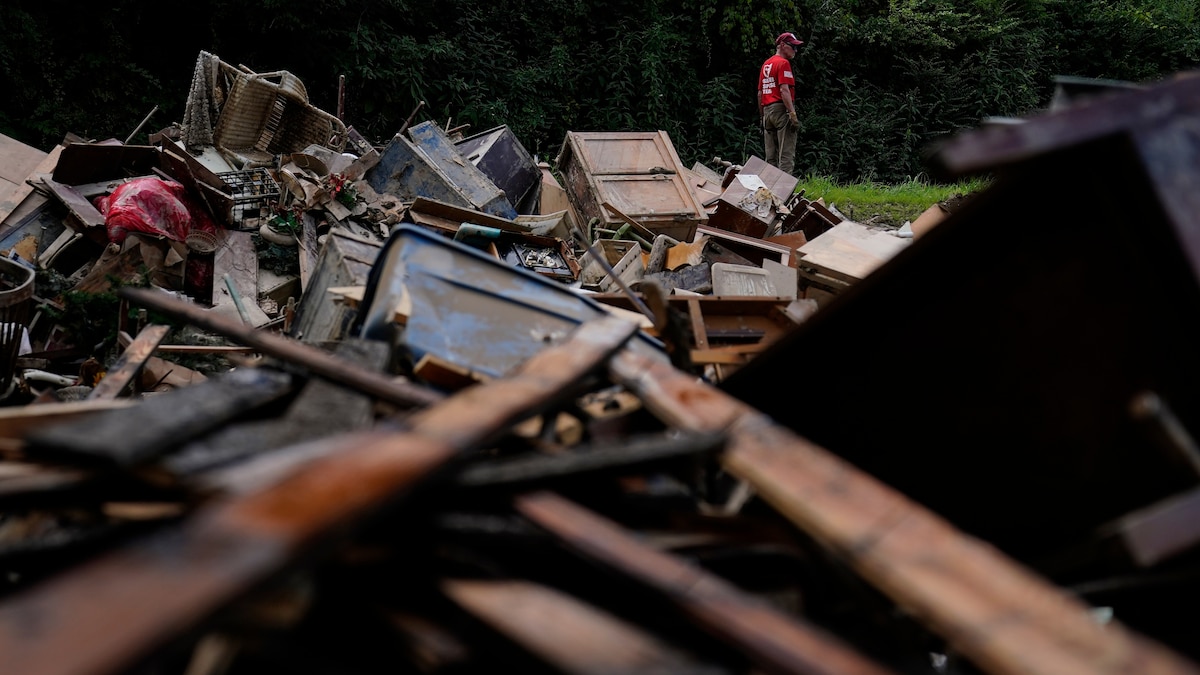
“After Honeycutt and her family escaped the second story of their inundated home during the 2022 Kentucky floods, it cost the family — which lacked flood insurance — a significant amount to fix the immense damage. But because of the anxiety of staying in a neighborhood that absorbed so much destruction, she's now taking part in a voluntary government buyout program that purchases homes in flood-prone areas.”
Millions who need flood insurance the most don’t have it as flawed federal program raises prices· abcnews.comThe word I keep coming back to is in the last paragraphs: buyout. Two of the three Kentucky households the story opens with are leaving through voluntary buyout programs, after going through 2022 without flood insurance. That’s retreat, chosen by the people living it. It should be on the table before the next flood, not after the last one.