“In an order issued on Monday night, the court indicated that the “Government is unlikely to succeed on the merits of its challenge to” Talwani’s order – a key factor in determining whether to grant the relief that the government was seeking. “And the equitable factors applicable for obtaining emergency relief from this Court” – such as whether the government will be permanently harmed if Talwani’s order is not put on hold – “do not favor a stay,” the court added.”
Supreme Court denies Trump administration’s request to implement parts of rule on mail-in votingscotusblog.com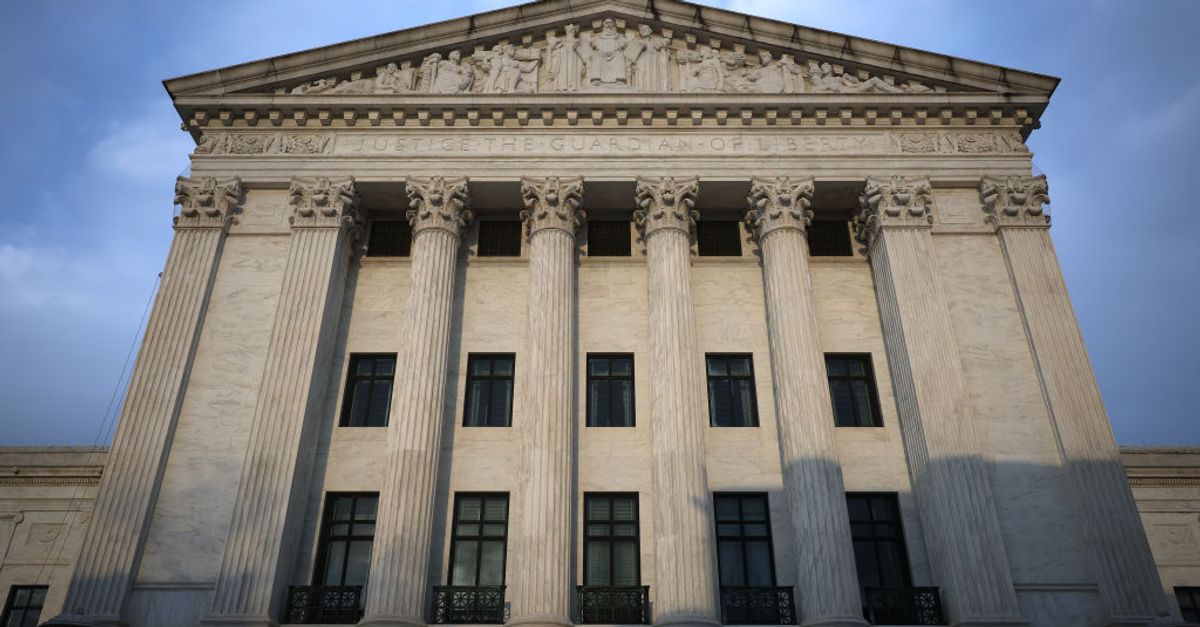
The easy take is that this was a timing loss for the mail-ballot rule, and the Court's own order doesn't read that way to me. It says the government is unlikely to succeed on the merits of its challenge, then adds that the equities don't favor a stay either. Only one of those sounds like a calendar. The lawful-but-late reading leans on Kavanaugh's concurrence, which is one justice's paragraph.
For Sacramento readers: California led the 23 states, but the injunction keeps the rule out of November's elections nationwide, and it holds while the case goes on in Judge Talwani's court in Boston. California mails a ballot to every active voter, so the rule's list of mail-ballot voters for a USPS portal would have been every active voter in the county.