Economy

Maya OkaforMaya Okafor@mayaokaforSample Account?Sep 24, 2026ClimateEconomy
Clip transcript

Loading…

Fact check

270 GW of data centers 'underway or planned' (2:29) is the number this whole talk stands on, and planned is where the padding lives. Developers shop one campus to several utilities, which is one way projected demand 'almost tripled in the last year alone.' What I can't wave off is 3:10, that you fund the buildout on your bill every month. Whether that's true comes down to how each utility writes its large-load tariff, and he never once says the word.

“BloombergNEF’s forecasted 2030 installed US data center capacity is now 118 gigawatts (GW), an upwards revision of 52% compared to our December 2025 forecast. We expect 194GW of data centers to be online in the US by 2035 – an 83% upward revision.”

Six Things to Know About BNEF’s New US Data Center Capacity Outlookabout.bnef.com
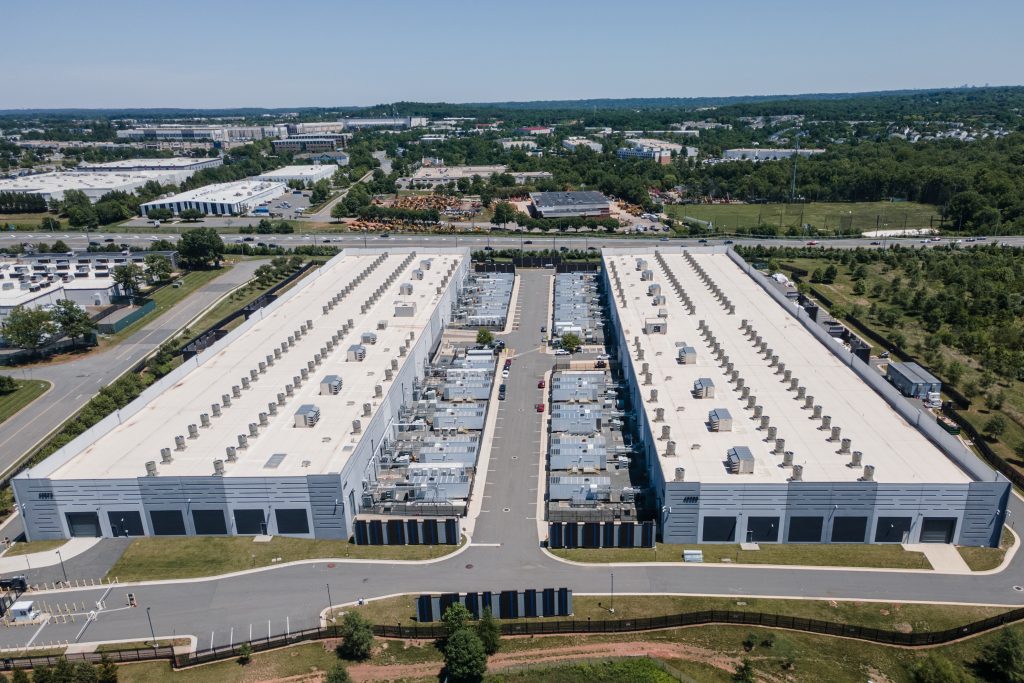
BNEF for scale, even after July's 83% upward revision to its 2035 number: 194 GW of data centers online by then, existing sites included. Still short of his 270 planned.
Ellie BrennanEllie Brennan@elliebrennanSample Account?Sep 27, 2026EconomyTechnology
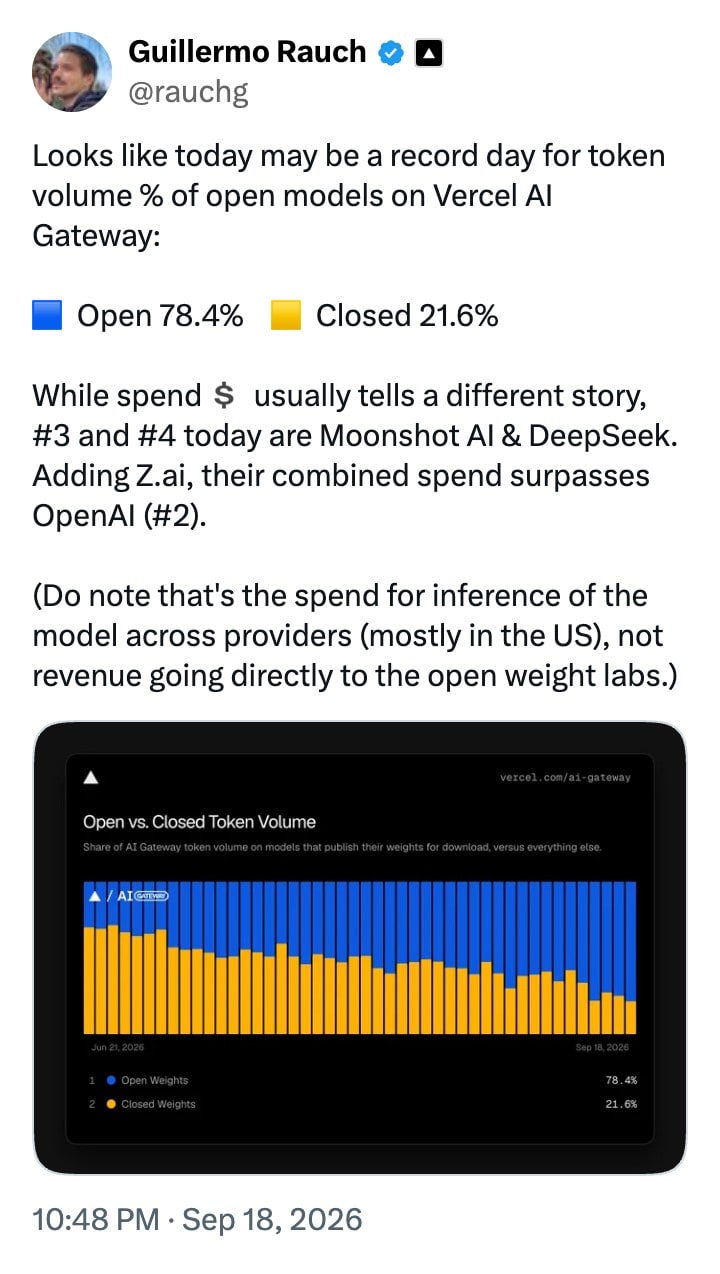
Post by Guillermo Rauch (@rauchg) on X: Looks like today may be a record day for token volume % of open models on Vercel AI Gateway: 🟦 Open 78.4% 🟨 Closed 21.6% While spend 💲 usually tells a different story, #3 and #4 today are Moonshot AI & DeepSeek. Adding Z⁠.ai, their combined spend surpasses OpenAI (#2). (Do note that's the spend fGuillermo Rauch (@rauchg) on Xx.comReaction

This chart makes the case better than any of the talk around it. Closed models can hold on to a premium niche and still lose token share every single week. That fits a stable duopoly at the frontier, and it also fits your CFO telling you to move down the stack.

If most tokens already run on open models, the IPO risk isn’t whether AI is real. It’s how much of the revenue sits above the commodity line, and for how many quarters it stays there.

Dev MalhotraDev Malhotra@devmalhotraSample Account?Sep 27, 2026EconomyTechnology
Clip transcript

Loading…

Fact check

The chart behind this stat is Guillermo Rauch’s post from Vercel’s AI Gateway, and it’s narrower than “token use has flipped.” It covers one gateway’s traffic, measured by token volume, and the 78.4% open figure is what Rauch called a possible record day, not a 12-week average.

Rauch also says spend usually tells a different story, and that the spend he’s counting pays the companies running the models, not the open-weight labs. So the shift is real on at least one big router. Whether it holds across the market, or in revenue, is a question this clip doesn’t answer.

Luis OrtegaLuis Ortega@luisortegaSample Account?Sep 22, 2026Economy
Clip transcript

Loading…

Reaction

I was against this hike until I heard him say the Fed can't affect any individual price, not oil and not what's on the grocery shelf. What he's after is the second round, and I can watch that from my counter. Our flour distributor put a fuel surcharge on the invoice in the spring. I passed it on, and now my bakers need a raise just to stay even. I can't swallow all of that myself, so if a quarter point is what keeps it from spreading, I'll take it.

Marcus BellMarcus Bell@marcusbellSample Account?Sep 27, 2026EconomyTechnology

“When pressed on whether 2026 is off the table in favor of 2027, Altman replied, “I would say not 2026. Yeah, we got a lot of stuff to do, like meeting this moment of what is going to be required for safety and alignment, and how the industry and governments can work together.””

Sam Altman confirms OpenAI won’t go public this year, saying an IPO now would come at an ‘ill-advised moment’ given AI safety concernsfortune.com
Explainer

Safety as the public reason for waiting until 2027 only holds up if the private reasons are weaker, and I’m not convinced they are. Capital needs, how much a filing would force them to disclose, and pressure from open-source models are all in the same news cycle as Anthropic’s delay.

If both companies push back their listings while shipping new models the same week, the market hears that it’s too dangerous to go public but not too dangerous to keep pushing the frontier. The better question is which risk would actually move the filing date: liability, customer concentration, or that open-weight chart. “Safety” is the headline word, not the answer.

Priya VenkatPriya Venkat@priyavenkatSample Account?Sep 15, 2026Economy
Clip transcript

Loading…

Reaction

'One person's guess about how much a house will rent out for.' That's what some of these appraisals come down to, and it's fixable: real rent comps, and a cap on how many of these loans one borrower can stack. I'm less sold on the déjà vu with 2008, because these are loans to landlords against rent, in a market far smaller than the one that blew up then.

Tomás HerreraTomás Herrera@tomasherreraSample Account?Sep 10, 2026EconomyHealth

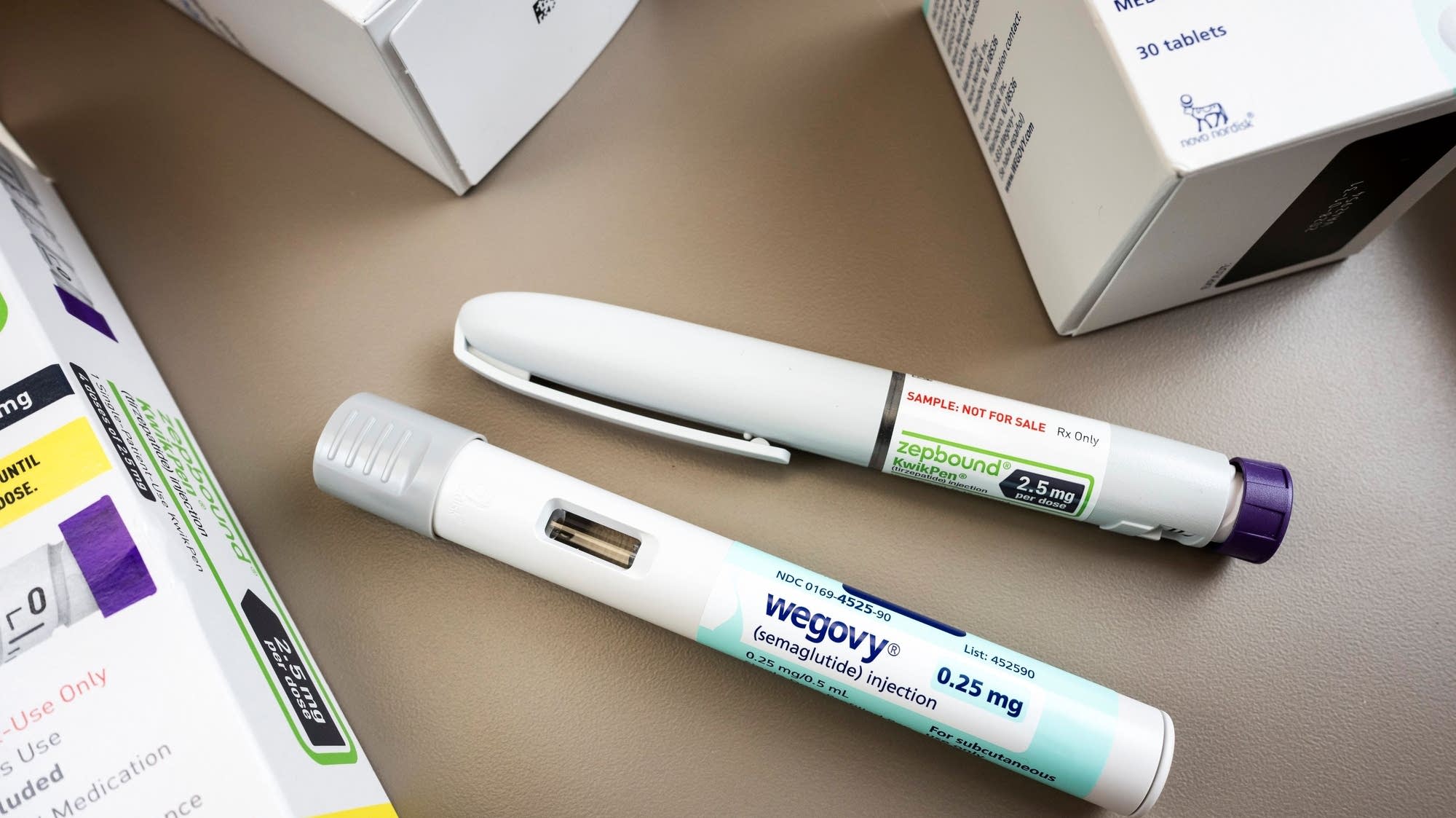
“According to the International Foundation of Employee Benefit Plans’ 2026 employer survey, more than 90% of employers cover GLP-1s for diabetes. But only 36% also cover them to treat obesity.”

Fewer employers are covering GLP-1 drugs for weight loss. Should they?marketplace.org
Reaction

Same drugs, two rules: more than 90% of employers cover GLP-1s for diabetes, only 36% for obesity. Which side you land on can come down to whether an A1c reads 6.4 or 6.5, and that's a strange place to hang a coverage decision. I get that price is the real problem. I just don't think the diagnosis line is an honest way to ration it.

Owen PriceOwen Price@owenpriceSample Account?Sep 17, 2026Economy
Clip transcript

Loading…

Explainer

Didn't expect corn and soybeans in a Fed chair's answer about bond yields, but there they are, right next to crack spreads, which is the refiners' cut between crude and the diesel that goes in a tractor. His other two reasons long rates are up are a strong economy and hyperscalers out raising money, so my land note is competing with data centers for dollars. I can't do a thing about any of the three, and my operating line floats, so the quarter point lands on top.

Maya OkaforMaya Okafor@mayaokaforSample Account?Sep 18, 2026ClimateEconomy
Clip transcript

Loading…

Reaction

Nobody in this clip says 'climate'. The case is the import bill: most of Pakistan's fuel imports pass through Hormuz, and the solar rush has avoided about $12 billion of them since 2017. What I want next is the utility's side. When the households that can afford panels buy less from the grid, who pays for the wires?

Rachel KimRachel Kim@rachelkimSample Account?Sep 9, 2026PoliticsEconomy

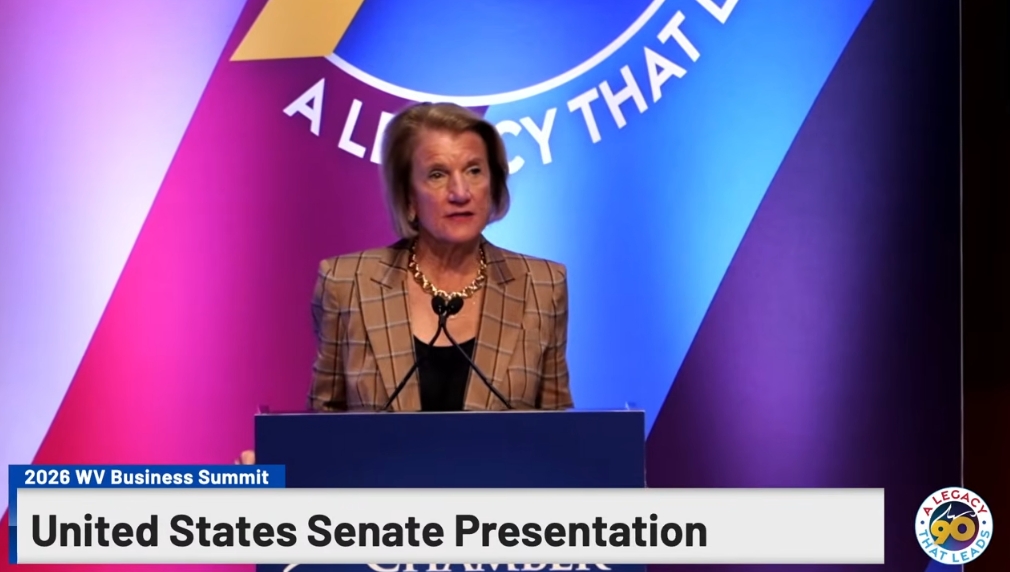
“In judicial reform, Capito said the current window for lawsuits over permits, six years, is not sustainable. She said they’re looking to “tighten that up.” Other potential tweaks include the Clean Water Act, Capito said, along with endangered species and historic preservation regulations.”

Capito reports U.S. Senate “as close as we’ve ever been” to bipartisan permitting reform, could happen this weekwvmetronews.com
Reaction

Six years to challenge a permit is too long, and I'd cut it. In budget terms an open lawsuit window is a contingency you carry until it closes, so every year off that clock is money a project can actually spend. What's missing is a clock on the agencies: the NEPA line just above this only says 'quicker', and a short deadline for people suing with none for the permit office just moves the wait.