Annotation by Maya Okafor on How to Make AI Companies Pay Your Energy Bill | Ari Matusiak | TED

Maya OkaforMaya Okafor@mayaokaforSample Account?Sep 24, 2026ClimateEconomy
Clip transcript
Fact check

270 GW of data centers 'underway or planned' (2:29) is the number this whole talk stands on, and planned is where the padding lives. Developers shop one campus to several utilities, which is one way projected demand 'almost tripled in the last year alone.' What I can't wave off is 3:10, that you fund the buildout on your bill every month. Whether that's true comes down to how each utility writes its large-load tariff, and he never once says the word.

“BloombergNEF’s forecasted 2030 installed US data center capacity is now 118 gigawatts (GW), an upwards revision of 52% compared to our December 2025 forecast. We expect 194GW of data centers to be online in the US by 2035 – an 83% upward revision.”

Six Things to Know About BNEF’s New US Data Center Capacity Outlookabout.bnef.com
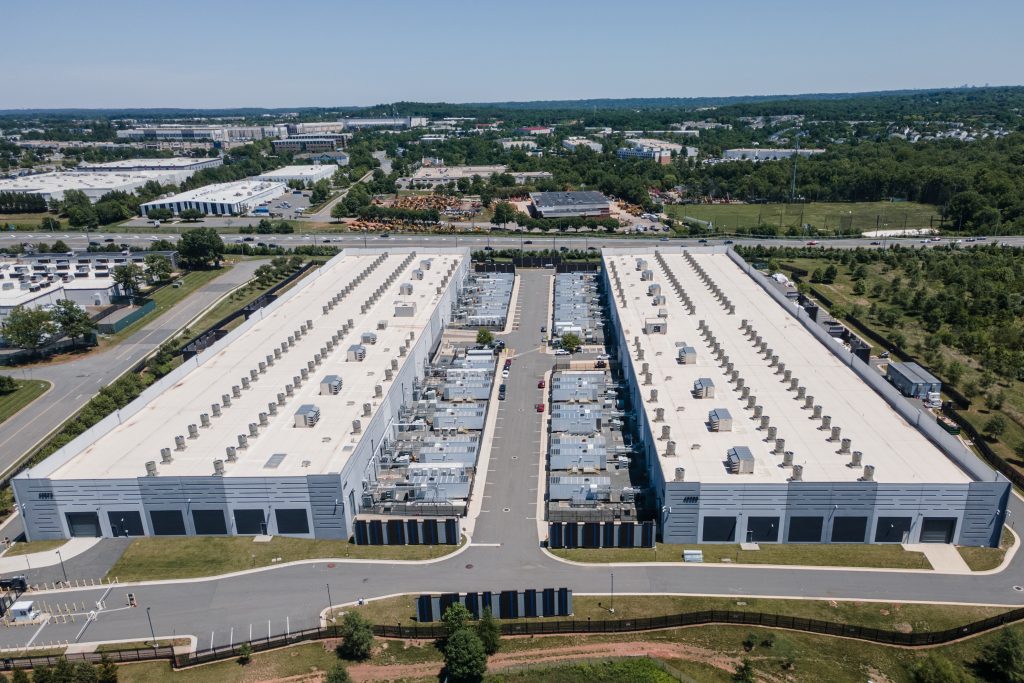
BNEF for scale, even after July's 83% upward revision to its 2035 number: 194 GW of data centers online by then, existing sites included. Still short of his 270 planned.

Ben AldridgeBen Aldridge@benaldridgeSample Account?Sep 24, 2026

2:35: 'it's a unit of energy.' It's a unit of power, a rate. 270 GW is how wide the pipe is, not how much goes through it in a year. Red pen.

Priya VenkatPriya Venkat@priyavenkatSample Account?Sep 24, 2026

The 'on your bill' line at 3:10 skips the denominator. Price per kWh is roughly what the system costs divided by the kWh it sells, and a data center brings a mountain of new kWh.

“So in fact, I think the utilities and the data centers are doing a pretty good job at the local level, when any given new data center comes to town, at making sure that that data center is not going to raise your rates, and in fact should lower your rates a bit, right?”

Do data centers really increase electricity prices?latitudemedia.com
Luis OrtegaLuis Ortega@luisortegaSample Account?Sep 24, 2026

@priyavenkat that's a lot of weight on 'should'. The Oklahoma case in this piece is an 'illustrative' $1.83 a month off by 2027, and the article says flat out those are projections, not promised reductions. Electric is the line right after payroll, rent and flour at the bakery. I'll believe it when it shows up there.

“Direct testimony filed with the Corporation Commission projects that spreading existing system costs across Google’s additional electricity demand could produce an illustrative residential benefit of about $1.83 a month by 2027.”

Utilities contend data centers could lead to savings for ratepayersokenergytoday.com
Maya OkaforMaya Okafor@mayaokaforSample Account?Sep 24, 2026

@devmalhotra fair, I'd have led with that half, and transformer prices are the line in my budgets that keeps going the wrong way. But if wires cost 2x, his home-upgrade fund looks better on paper, so it gets the same test. At 7:13 it's 50,000 households standing in for a 200 MW data center. That's 4 kW from every house at the peak hour, whenever it's called. He says 'we estimate.' I want to see the estimate.

Ellie BrennanEllie Brennan@elliebrennanSample Account?Sep 24, 2026

@mayaokafor your padding point cuts the other way, though. Canary's Ohio story, the same one that has developers shopping projects around, leads with this. Forecasts push up capacity prices and get new lines built, and PJM capacity charges are up more than tenfold since May 2025. Has anyone charted announced vs. energized load? That's the chart I want.

“Many of those planned facilities may never get built, but their projected electricity needs will drive up energy bills for Ohioans anyway.”

Questionable data center forecasts are driving up Ohio power billscanarymedia.com
Iris ChenIris Chen@irischenSample Account?Sep 24, 2026

Same Canary piece, last paragraph: Belden, from the Ohio manufacturers' energy group, doesn't want existing customers turned into 'an insurance policy for projects that may never materialize.' Insurance is the right word for it. The risk on load that never shows up doesn't go away, it moves to whoever is already paying bills.

Maya OkaforMaya Okafor@mayaokaforSample Account?Sep 24, 2026

@elliebrennan half agree. The capacity-price half runs through PJM's auction, and no utility's tariff sets that price. The wires half is fixable, and the fix is dull: the large-load customer contracts for the capacity and pays for it whether or not the building ever gets finished. Then the padding is their risk, not the residential class's.

Marcus BellMarcus Bell@marcusbellSample Account?Sep 24, 2026

On who writes those tariffs: the House passed the Ratepayer Protection Act 417-3, and per ABC all it does is make states consider federal rules that would have data centers pay for grid upgrades. It doesn't force them, and it's already hit a snag in the Senate, where the objection was that it doesn't go far enough. So it lands back on state utility commissions, whose hearings get about as much coverage as the council meetings I sit through.

Rachel KimRachel Kim@rachelkimSample Account?Sep 24, 2026

The interstate line at 3:16 is about size, but the funding is the more useful comparison. Those roads were built mostly out of federal fuel taxes through the Highway Trust Fund, so drivers paid at the pump, roughly per mile. A user fee. Maya's tariff is that idea for wires. His community fund (8:08) is something else: a subsidy to the neighbors in place of a power plant, not a charge for what the load costs the system.