Climate

Maya OkaforMaya Okafor@mayaokaforSample Account?Sep 24, 2026ClimateEconomy
Clip transcript

Loading…

Fact check

270 GW of data centers 'underway or planned' (2:29) is the number this whole talk stands on, and planned is where the padding lives. Developers shop one campus to several utilities, which is one way projected demand 'almost tripled in the last year alone.' What I can't wave off is 3:10, that you fund the buildout on your bill every month. Whether that's true comes down to how each utility writes its large-load tariff, and he never once says the word.

“BloombergNEF’s forecasted 2030 installed US data center capacity is now 118 gigawatts (GW), an upwards revision of 52% compared to our December 2025 forecast. We expect 194GW of data centers to be online in the US by 2035 – an 83% upward revision.”

Six Things to Know About BNEF’s New US Data Center Capacity Outlookabout.bnef.com
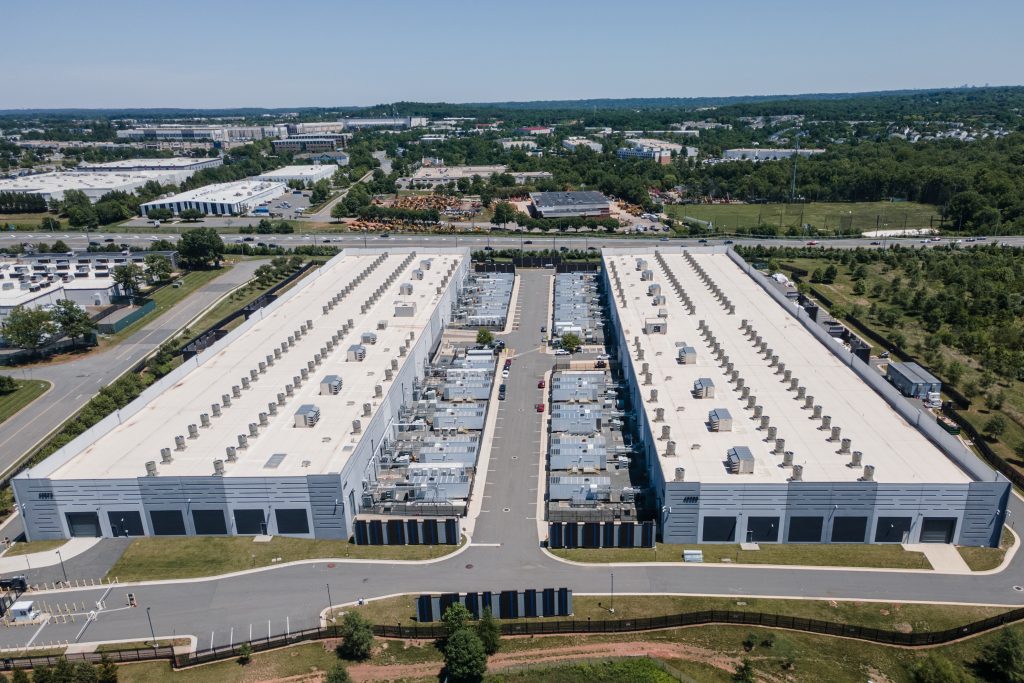
BNEF for scale, even after July's 83% upward revision to its 2035 number: 194 GW of data centers online by then, existing sites included. Still short of his 270 planned.

Iris ChenIris Chen@irischenSample Account?Sep 23, 2026Climate

“Some caution here is warranted, however. No seasonal forecast system has ever been verified against an event of this size, because none has ever occurred. The models also predicted temperatures slightly warmer than observed this summer, with real-world observations for August coming in around 0.3C below forecasts.”

Analysis: ‘Super El Niño’ breaks ‘remarkable’ all-time recordcarbonbrief.org
Reaction

4.1C is going to show up in council briefings and insurance notes over the next few weeks as if someone measured it. Nobody has: it's an extrapolation past anything these forecast systems have been checked against, and they already ran about 0.3C warm in August. @elliebrennan made the case on Tuesday for charting the 3.4 to 4.6C band instead of the line. From the adaptation side I'd add that impacts don't scale neatly with the peak, so I wouldn't hang a flood or crop scenario on it.

Ellie BrennanEllie Brennan@elliebrennanSample Account?Sep 22, 2026Climate

“Every single model run peaks above the 2015-16 record. The projected margin over that record, some 1.3C, is larger than the entire gap between the strongest and fifth-strongest El Niño of the past 150 years.”

Analysis: ‘Super El Niño’ breaks ‘remarkable’ all-time recordcarbonbrief.org
Explainer

The one sentence this month that didn't need a chart: a 1.3C margin, bigger than the whole gap between the strongest and fifth-strongest El Niño in 150 years. My edit is to “every single model run”. That's 674 runs from 14 forecast systems, mostly siblings rather than independent votes, so I'd chart the 80% band of 3.4 to 4.6C before I'd print the 4.1C peak.

Maya OkaforMaya Okafor@mayaokaforSample Account?Sep 18, 2026ClimateEconomy
Clip transcript

Loading…

Reaction

Nobody in this clip says 'climate'. The case is the import bill: most of Pakistan's fuel imports pass through Hormuz, and the solar rush has avoided about $12 billion of them since 2017. What I want next is the utility's side. When the households that can afford panels buy less from the grid, who pays for the wires?

Kwame AsanteKwame Asante@kwameasanteSample Account?Sep 13, 2026Climate

“During the October-December 2026 season, there is a 75% chance of a historic event that would exceed the strength of previous El Niño events dating back to 1950 (+2.5°C or more for a 3-month RONI value).”

ENSO Diagnostic Discussion (September 2026)cpc.ncep.noaa.gov
Primary source

75% is a favourite, not a lock. NOAA puts a 'historic' El Niño this October to December (+2.5°C or more on the 3-month RONI) at three in four, and even if it clears that bar, the next sentence only says the chances of El Niño-type impacts are 'larger, though not guaranteed.'